
Water Treatment
Advanced, reliable water treatment built on electrochemical technology — solving industrial, municipal and process water challenges, delivered as complete turnkey projects.
Electrochemical water treatment, engineered in-house
We bring deep industry knowledge to deliver high-quality water treatment solutions across sectors. Rather than relying on bulk chemical dosing, active oxidants and coagulants are generated on-site and on-demand using durable coated-titanium and mixed metal-oxide electrodes — making treatment safer, more economical and more sustainable.
Treatment efficiency depends on electrode material, pH and current density, and our anodes are engineered to perform reliably at high current densities over long service lives.
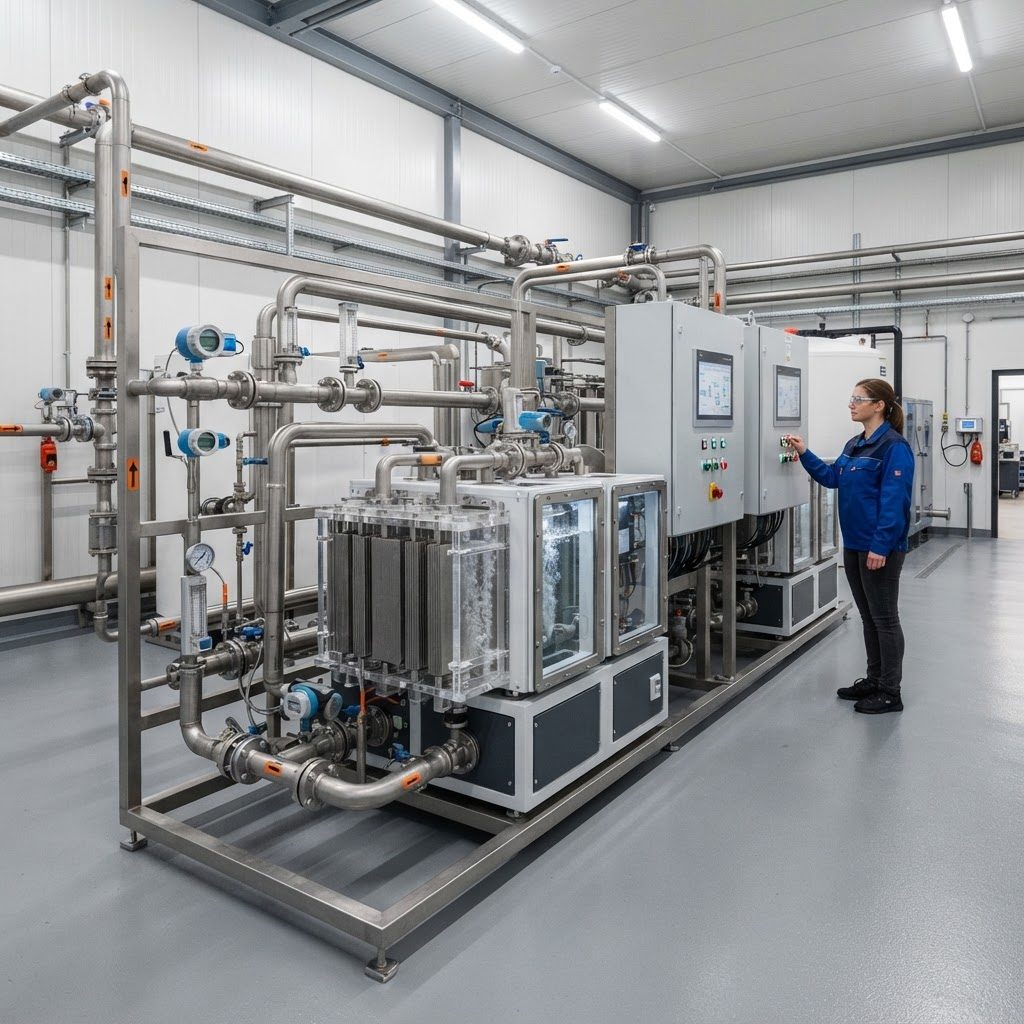
A complete electrochemical toolkit
Each water challenge is matched to the right electrochemical process and electrode, all built on our own high-performance coated-titanium technology.
On-site chemical generation
Chloride ions are converted into free chlorine and sodium hypochlorite at the anode, removing the cost and hazard of storing and transporting bulk chemicals.
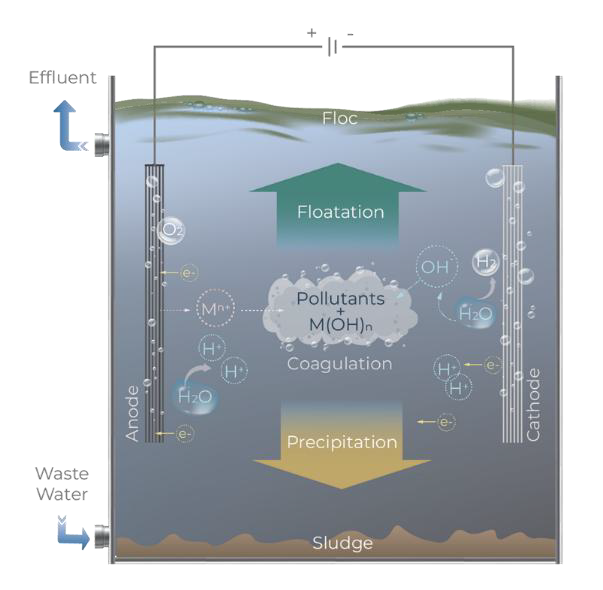
Electrocoagulation-flotation (ECF)
Coagulants are produced in situ to destabilise contaminants, then floated out by electrolytic H₂/O₂ bubbles — high pollutant removal with far less sludge.
Electrochemical oxidation
Organic pollutants are oxidised directly at the electrode or indirectly via reactive species in the bulk solution, cutting COD and colour.
Electro-Fenton oxidation
Hydroxyl radicals generated from hydrogen peroxide and ferrous ions oxidise refractory micro-pollutants that resist conventional treatment.
Electrolytic descaling
Alkaline conditions at the cathode precipitate calcium and magnesium ions onto electrodes while anode oxidants suppress algae and biofilm.
MMO coated titanium electrodes
Titanium coated with IrO₂/RuO₂ performs excellently at high current densities, outperforming boron-doped diamond and platinum electrodes.
One platform, many water challenges
From industrial effluent to circulating water and descaling, the same electrochemical platform is tailored to each application with a purpose-matched electrode.
Industrial Wastewater Treatment
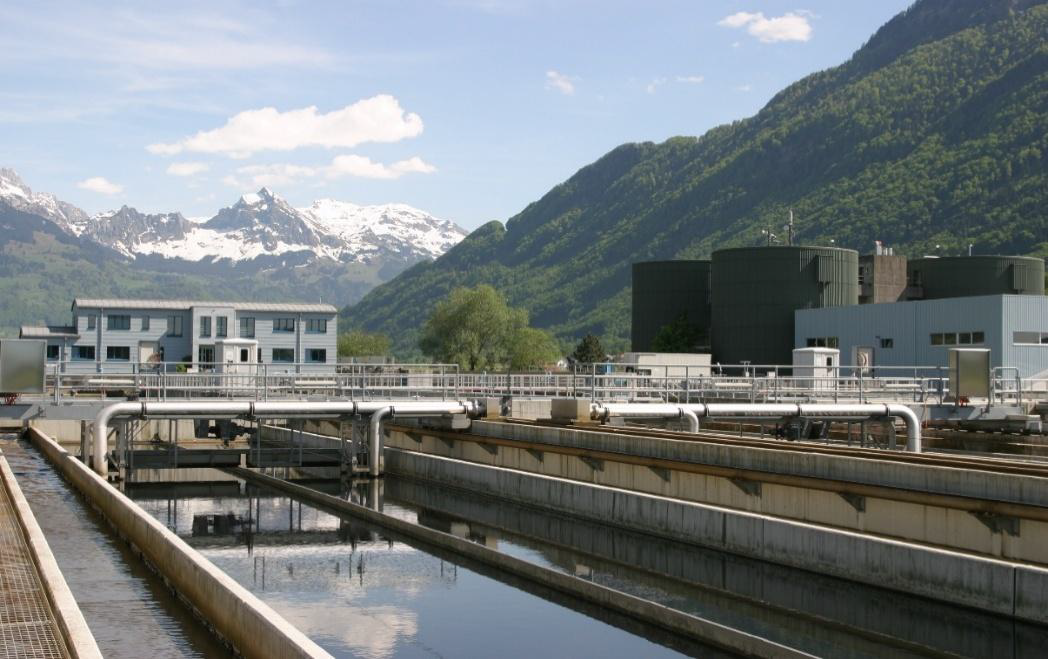
Industrial wastewater from sectors like pharmaceuticals, refining, mining, power and batteries contains toxic pollutants, dissolved solids, organics and radionuclides, requiring pretreatment before sewer discharge.
Electrocoagulation-flotation (ECF) offers better pollutant removal with less sludge, lowering disposal costs. Electrocoagulation produces coagulants in situ to destabilise contaminants, followed by electroflotation that floats pollutants via electrolytic H₂/O₂ bubbles.
Treatment efficiency depends on electrode material, pH and current density — our mixed metal-oxide coated anodes (titanium base with IrO₂/RuO₂) perform excellently at high current densities.
Ruthenium-Iridium Coated Stacked Titanium Plate Electrode
Effluent Denitrification
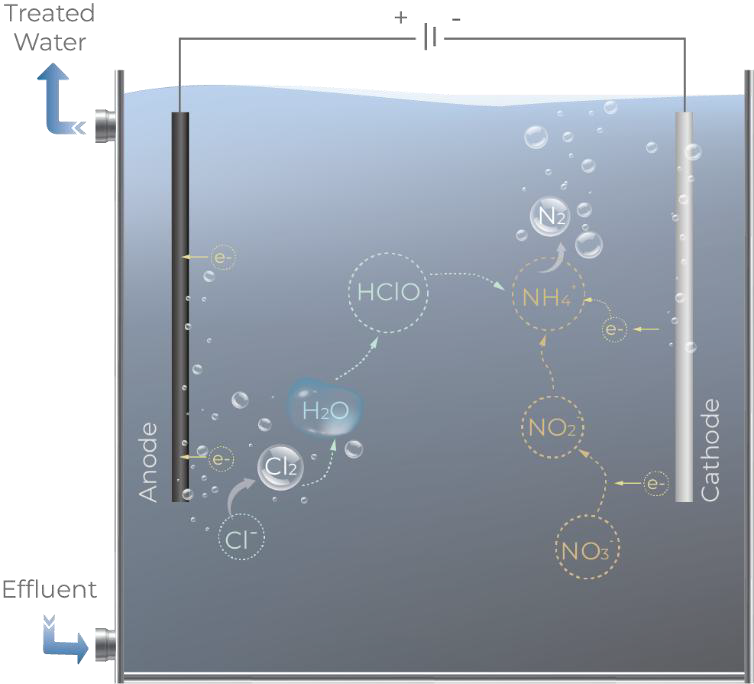
Untreated domestic wastewater contains ammonia, nitrogen and phosphorus compounds. Excessive nitrogen triggers environmental problems, ecological imbalance, algal blooms, water oxygen depletion and drinking-water pollution.
For environmental and health concerns, denitrification is essential to meet strict discharge standards. Unlike biological treatment, electrochemical denitrification features high efficiency, low cost and simple operation, converting nitrate nitrogen into harmless nitrogen gas for safe emission.
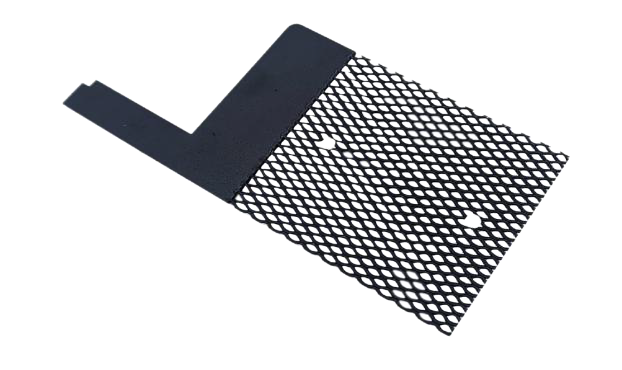
Ruthenium-Iridium Coated Titanium Mesh Electrode
FGD Effluent Treatment
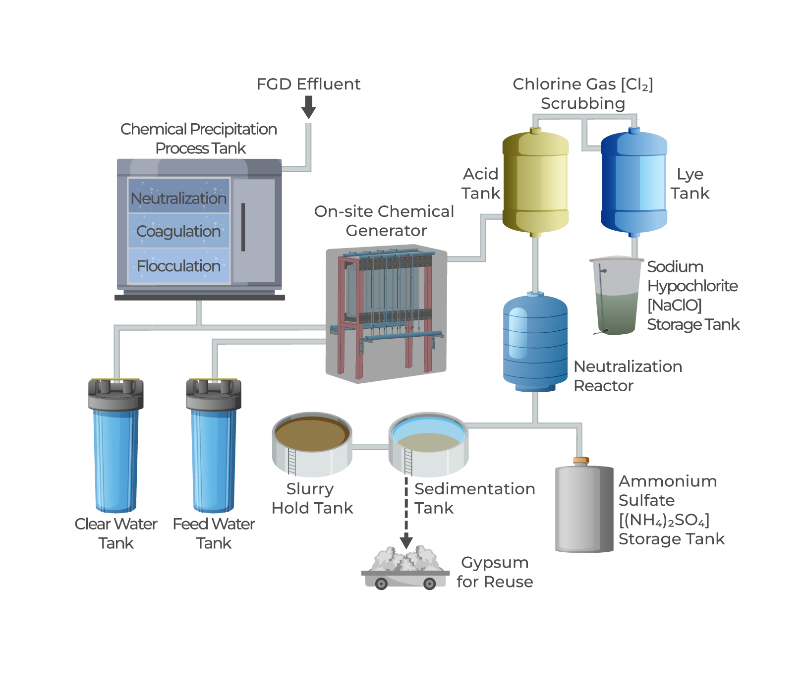
Electrochemical effluent treatment is highly effective due to the good conductivity of flue-gas desulfurization (FGD) wastewater and the presence of chloride ions, which facilitate electrochemical oxidation. It can oxidise organic pollutants directly at the electrode or indirectly in the bulk solution.
Utilising our on-site generator, it creates a system that helps you achieve a fundamental leap forward in capital efficiency, return on investment (ROI) and environmental protection — making FGD effluent treatment safer, more economical and more sustainable.
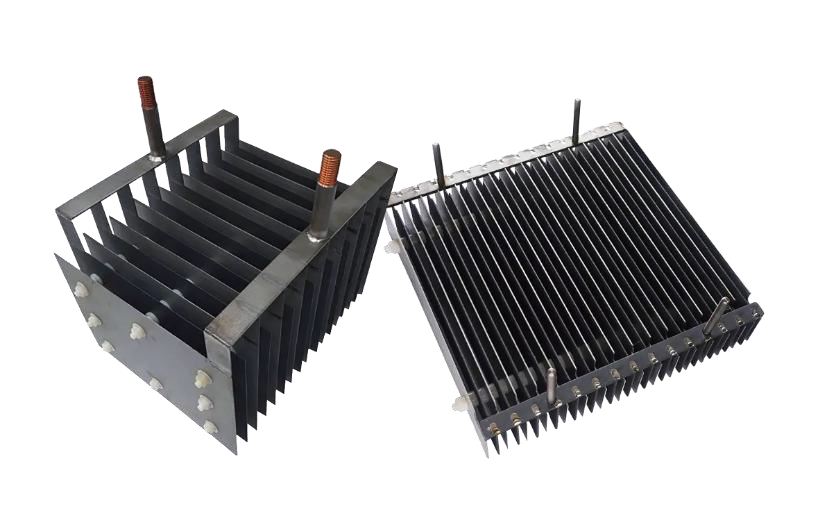
On-site Chemical Generator
Sewage Treatment
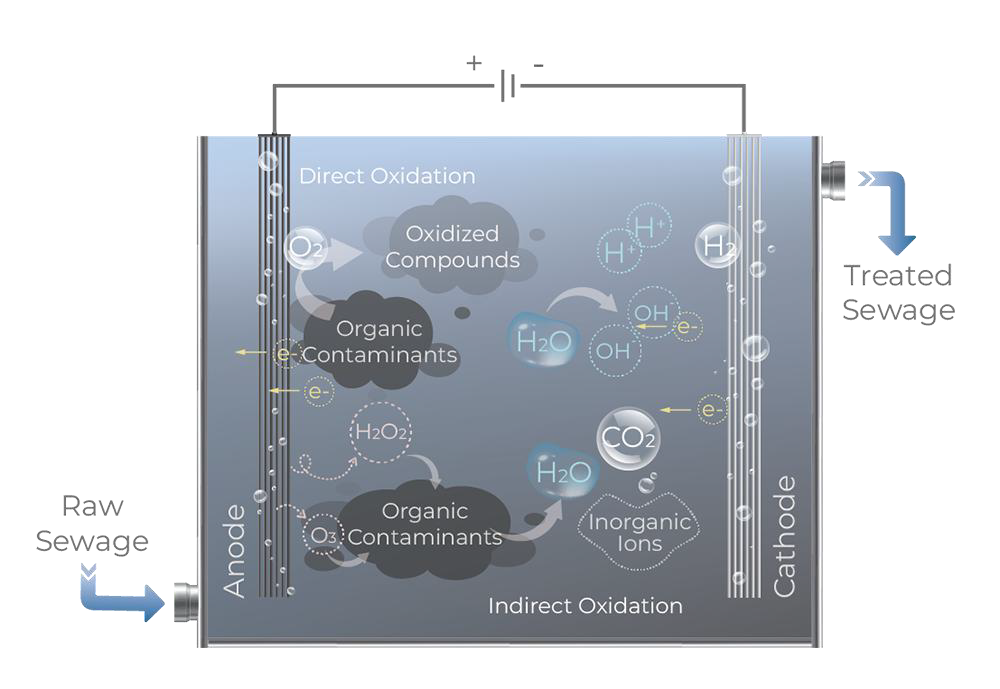
Untreated sewage contains toxins that harm health and the environment. Electrolytic processes outperform traditional methods for clarification, disinfection and phosphate removal — at lower cost and shorter detention time.
In an electrolytic cell, organics are oxidised at the anode, directly or via reactive species. Ruthenium-oxide coated titanium anodes are widely used for tertiary chlorination, efficiently reducing colour and COD.
Ruthenium-Iridium Coated Stacked Titanium Mesh Electrode
Leachate Treatment
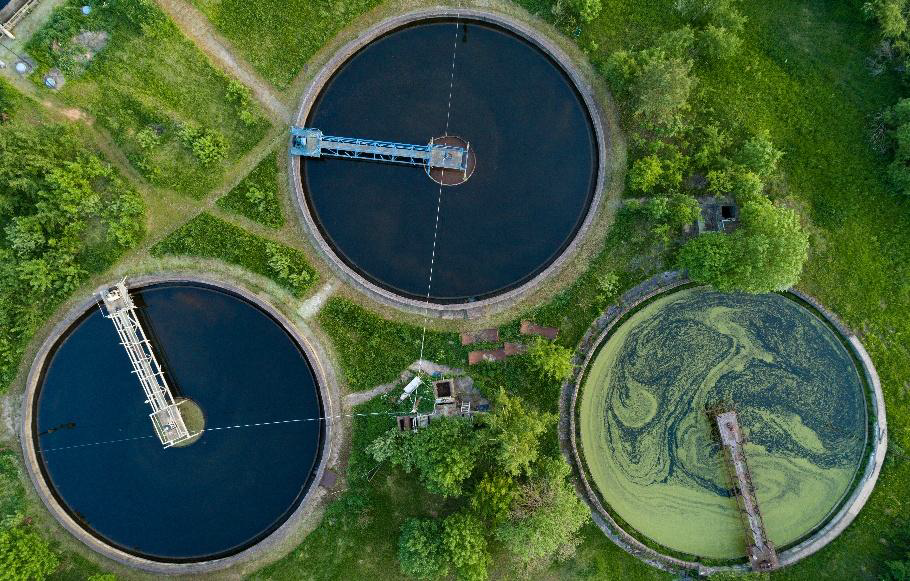
Urban landfills dispose of domestic, industrial and commercial solid waste. Buried waste undergoes biological and physicochemical changes, and rainfall forms highly polluting landfill leachate that contaminates soil, surface water and groundwater — so proper treatment is vital to protect ecology and public health.
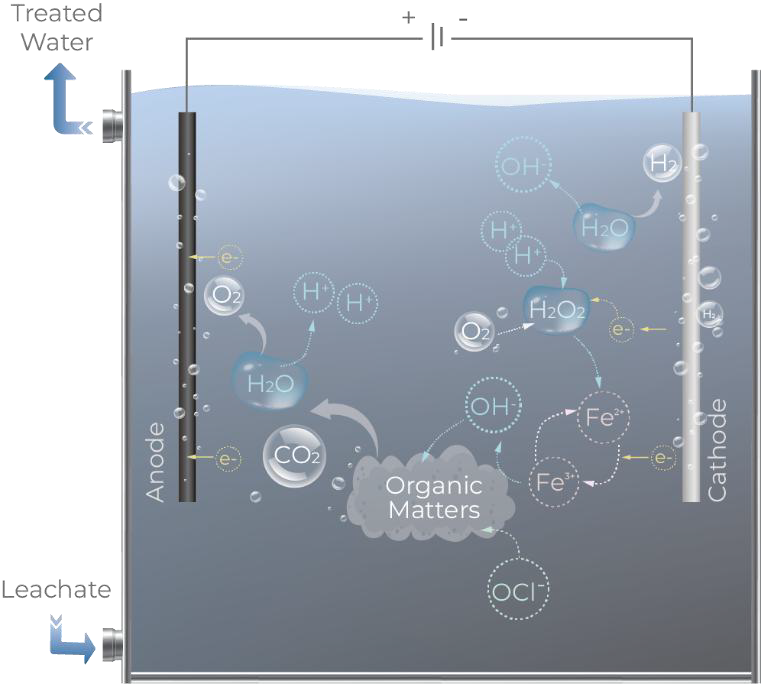
Among the available technologies, electro-Fenton (EF) is highly efficient: it generates hydroxyl radicals via hydrogen peroxide and ferrous ions to oxidise harmful pollutants, especially refractory micro-pollutants.
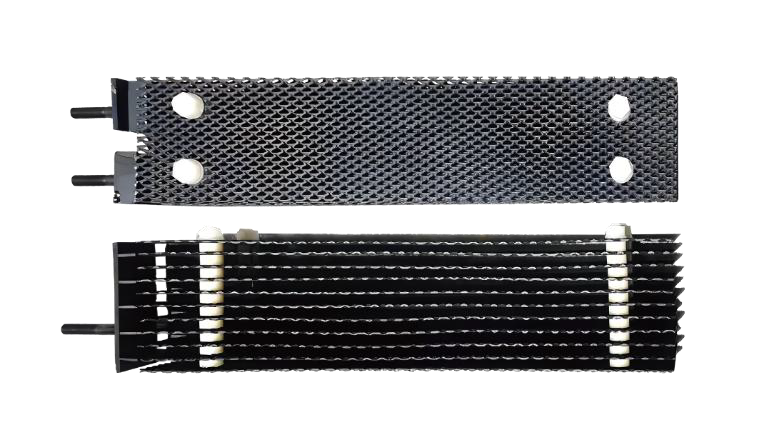
Ruthenium-Iridium Coated Stacked Titanium Mesh Electrode
Circulating Water Treatment
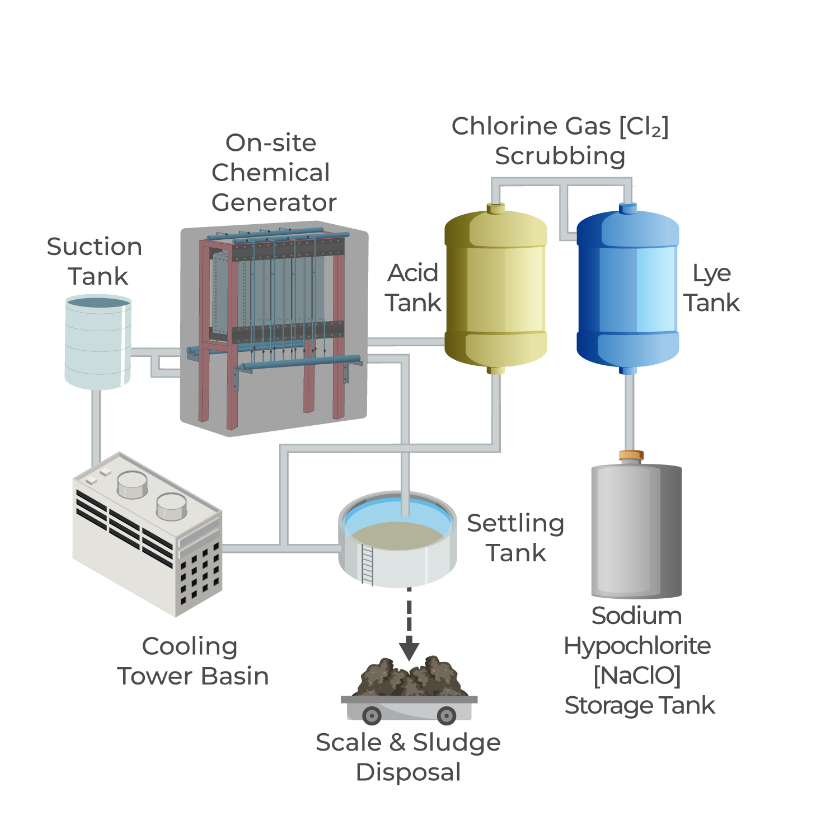
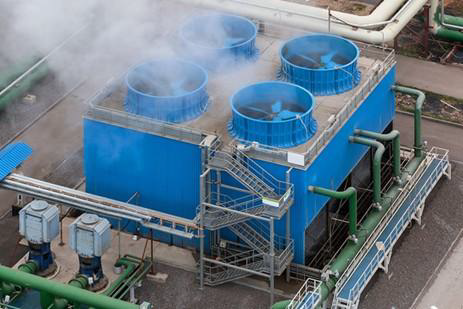
The electrochemical process for circulating water is an advanced technology that enables precise control of water hardness, alkalinity and chloride levels while capturing any vented chlorine gas.
Within the on-site generator, chloride ions released near the anode are converted into free chlorine, accompanied by trace amounts of ozone and hydroxyl radicals. These oxidising substances act on algae and fungi in the water, inhibiting bacterial growth and preventing the adhesion of biological slime. The captured chlorine gas is converted into sodium hypochlorite for reuse.
On-site Chemical Generator
Water Descaling
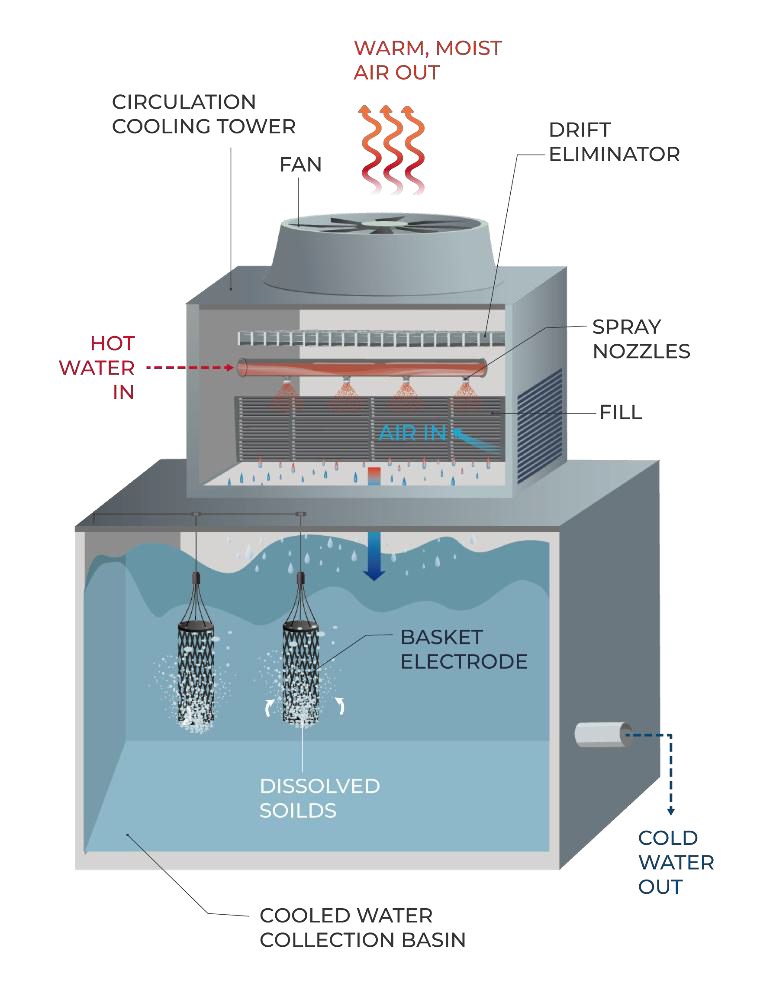
Limescale is prevalent in circulating water systems. Accumulated scale reduces water flow and heat transfer, raising energy consumption and lowering operational efficiency, making regular descaling necessary.
Electrolytic descaling works via water electrolysis: the cathode creates alkaline conditions that precipitate calcium, magnesium and other metal ions onto the electrodes, while oxidants generated at the anode restrain algae, fungi and bacteria and prevent biological slime formation.
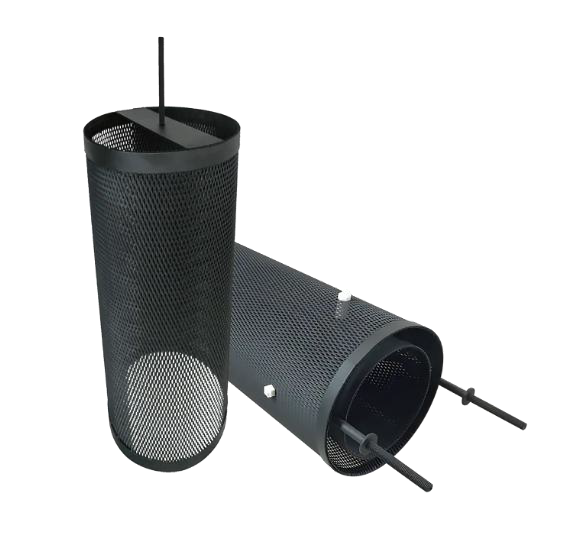
Ruthenium-Iridium Coated Titanium Mesh Electrode & Titanium Anode Basket
Water Disinfection
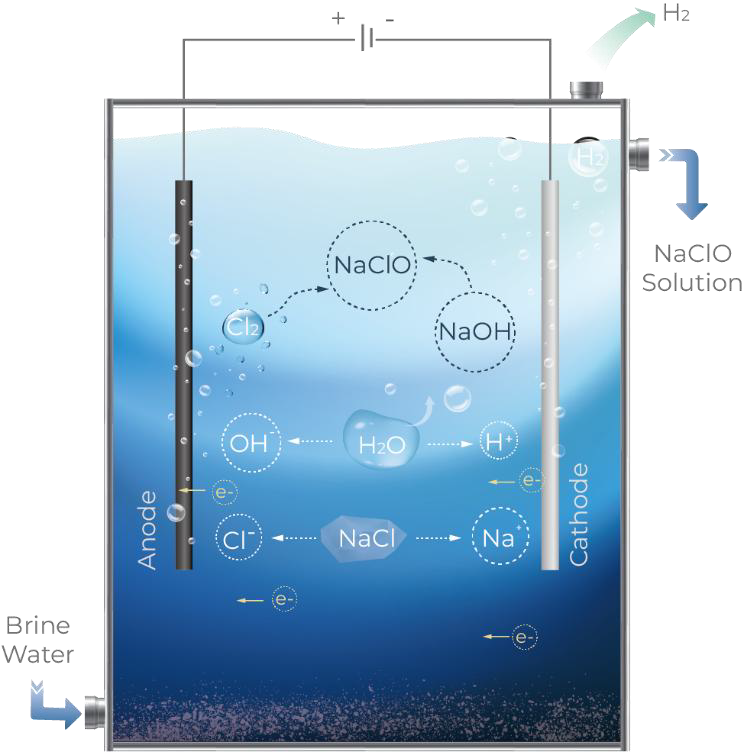
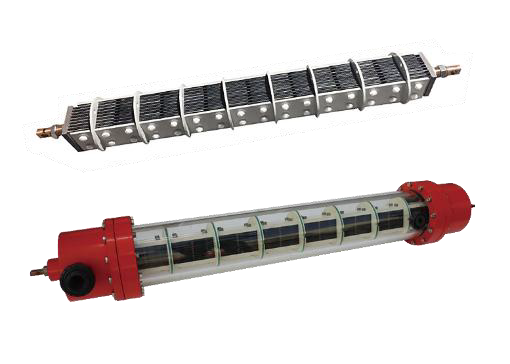
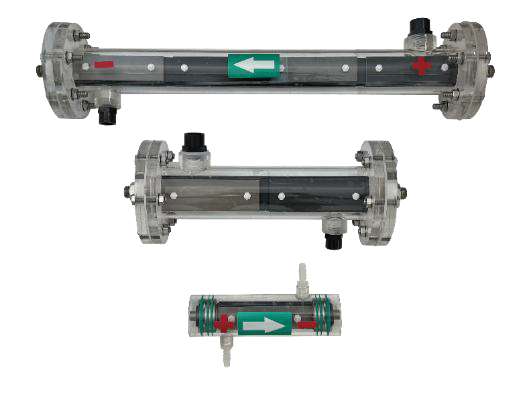
Chlorine has long been the dominant sanitizer, eliminating pathogens by breaking their molecular chemical bonds. Electrochlorination serves as an efficient, adjustable alternative for water disinfection, widely used in drinking-water supply, wastewater treatment and swimming-pool sterilization.
It generates hypochlorous acid and sodium hypochlorite by electrolyzing brine with plate electrodes in reaction pipes. Electrode efficiency varies by material — titanium electrodes coated with IrO₂ or IrO₂/RuO₂ perform better than boron-doped diamond and platinum electrodes.
Swimming Pool Chlorinator & Sodium Hypochlorite Generator
Seawater Desalination
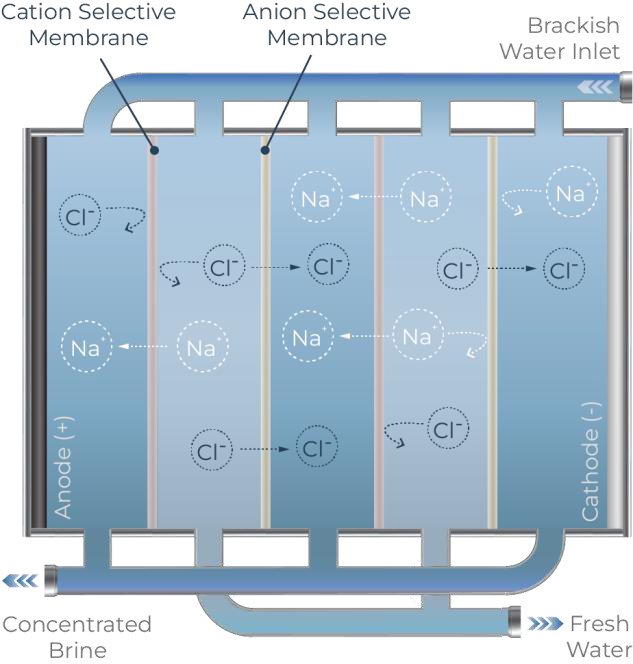
To ease water shortage, seawater desalination reliably supplies irrigation and drinking water by removing salt from seawater. As a superior alternative to traditional reverse osmosis, electrodialysis is a key electric-driven technology for large-scale brackish-water desalination.
It separates dilute water and concentrated brine via alternating anion-cation selective membranes. Electrode lifespan is influenced by operating current and water ion composition — with outstanding conductivity, metal-oxide coated titanium electrodes are perfectly suited for high-current, high-chloride desalination applications.
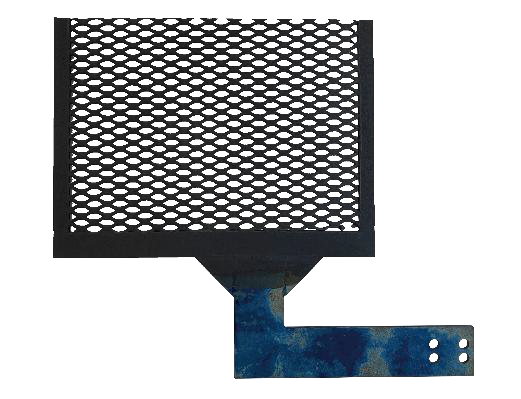
Ru-IrOxide Coated Titanium Screen & Ru-IrOxide Coated Titanium Mesh
One partner, from concept to completion
Identifying the right product can be overwhelming. Our turnkey service is a cost-effective, secure way to make your project hassle-free — our engineers handle every stage, so the asset is handed over ready to use.
- 1
Demand Analysis
Our sales team discusses your asset type, application environment and specific needs.
- 2
Solution Proposal
We draw up an all-in-one plan that meets your functional requirements and expense budget.
- 3
Equipment Supply
All materials and facilities are equipped by us with fast shipping.
- 4
Commissioning
Our veteran technical team handles every stage of detail engineering, so the asset is handed over ready to use.
- 5
On-site Acceptance
Final verification is performed at your location to test performance.
Project references
China Mobile Data Center
Single-stage RO · 100 m³/h capacity
Alibaba Cloud – Nantong
Single-stage RO · 30 m³/h capacity
Alibaba Cloud – Chengdu
Single-stage RO · 65 m³/h capacity
Have a water treatment challenge?
Tell us your asset type, application environment and water quality. We'll match the right electrochemical process and electrode, and deliver it turnkey.